
Alright, friend — settle in. You’ve asked how to install “Mozillod5.2f5,” and I’m going to help you out, but let’s clear the air first. That name looks like someone mashed their keyboard while trying to type Mozilla Firefox. I’m betting you’re after the good ol’ Firefox web browser, probably version 5.2 or something close.
Firefox doesn’t use that exact version format, but no worries — the install process is the same whether it’s the latest version or an older one. I’ll walk you through it like I’m right there with you, cup of coffee in hand.
How to Install Mozilla Firefox (Mozillod5.2f5) the Right Way
First, breathe. Installing software isn’t brain surgery. But let’s be safe: always download from the official source. That’s mozilla.org/firefox. We don’t want any “Mozillod5.2f5.exe” from a sketchy site — that’s how you invite digital gremlins into your machine. Got it? Good.
1. Check What You’ve Already Got
Open your current browser (maybe Internet Explorer, Edge, or Chrome). Look around — do you already have Firefox installed? Check your Start Menu (Windows) or Applications folder (Mac). If it’s there, you might just need to update it. But if you’re starting from scratch, let’s roll.
2. Head to the Source
In your browser’s address bar — and I mean click that bar and type it — put in:
https://www.mozilla.org/firefox/new/. Hit Enter. This is the only place you should download from. The site is smart; it’ll usually detect your operating system automatically. You’ll see a big, friendly button that says “Download Firefox.” It’s usually green or blue. Don’t click it… yet.
3. Choose Your System (Just in Case)
Sometimes you might want a specific version. If that’s the case, scroll down. You’ll see links for Windows, macOS, Linux, and even Android/iOS. Since you mentioned a version-like number, maybe you’re after a specific build for testing? If so, go to the “Firefox for Developers” page or look up “Firefox archived versions” — but that’s for power users. For most folks, the big download button is perfect.
4. Click That Button
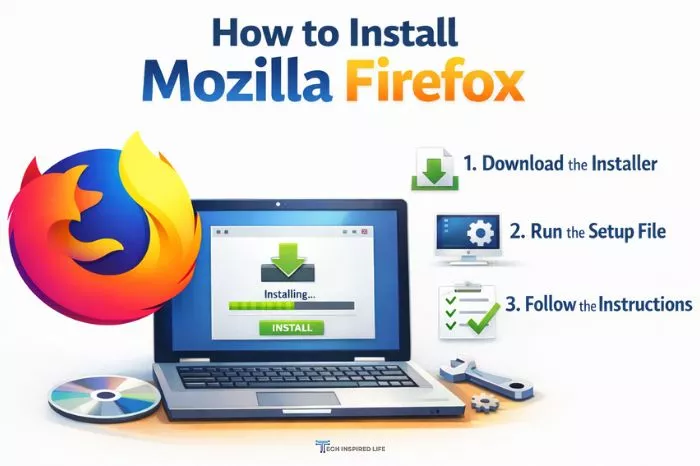
Go on, click it. Your browser will likely ask, “What do you want to do with this file?” Save it. Remember where it’s going — probably your “Downloads” folder. The file will be called something like Firefox Setup.exe on Windows or Firefox.dmg on Mac. Watch the download progress; it’s usually quick unless you’re on dial-up (bless you if you are).
5. Run the Installer
On Windows: Find the downloaded .exe file. Double-click. A User Account Control window might pop up asking, “Do you want to allow this app to make changes?” Click “Yes.” The installer fires up. It’s beautifully simple. You’ll get two options: Standard (for most people) or Custom. Standard sets Firefox as default, adds shortcuts — it’s the easy path. Custom lets you choose where to install it and whether to add menu shortcuts. Pick your adventure. Then click “Install.” It’ll whir for a moment.
On Mac: Open the .dmg file. You’ll see a friendly window with a Firefox icon and an arrow pointing to the Applications folder. Drag the Firefox icon into the Applications folder. That’s it. Eject the disk image afterward (drag it to the Trash from the desktop).
6. First Launch & The Little Decisions
Once installed, Firefox will likely launch automatically. If not, find it in your Start Menu or Applications and open it.
You’ll be greeted with a welcome screen. It’ll ask if you want to set Firefox as your default browser — your choice. You can also sign in with a Firefox Account to sync bookmarks and passwords across devices (handy!). You can skip this for now. Then, you might get the option to import bookmarks and settings from your old browser. I’d say yes — saves hassle later.
7. Take It for a Spin
You’re in! Type a website into the address bar — maybe youtube.com or wikipedia.org. See how it feels. The first run might be a tad slower as it builds caches, but it’ll smooth out. Explore the menu (three lines, top-right). Check out Add-ons and Themes if you want to personalize it.
If Things Go Sideways…
- Firefox won’t install? Check your internet connection. Temporarily disable your antivirus/firewall — sometimes they get overprotective. Ensure you have administrator rights on your PC.
- It’s slow or buggy? Make sure you have the latest version (click menu > Help > About Firefox). It updates automatically. If you’re trying to run an ancient version for some reason, know that many websites might not work properly with it.
- Want that exact “5.2f5” version? That’s not a standard release. It might be an old beta or a typo. For older versions, search for “Firefox archived releases” — but be warned, old browsers are security risks.
Last Words
And there you go. You’ve not only installed Firefox, but you’ve done it the safe way. The whole “Mozillod5.2f5” thing is just a reminder: in the tech world, names matter, but the steps are often the same. Enjoy the new browser — it’s a good one. Now go clear out that downloaded installer file from your Downloads folder. Keep things tidy.