
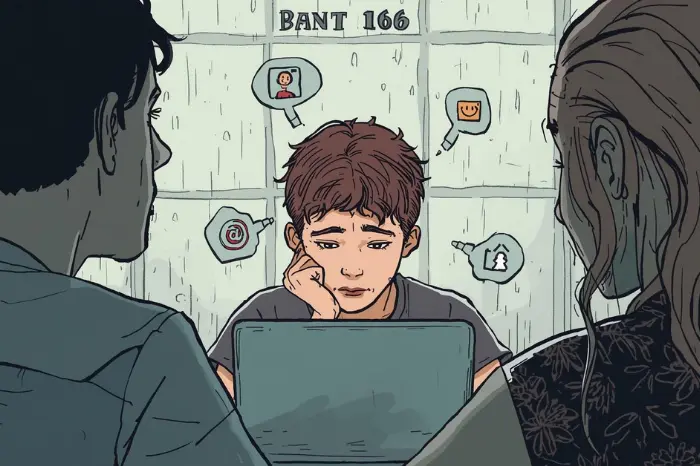

Australia’s landmark ban on social-media use for children under 16 has officially come into force, triggering a sweeping removal of underage accounts across platforms such as Facebook, Instagram, YouTube, TikTok, Snapchat, X, Reddit, Twitch and others. The world-first law, effective 10 December 2025, forces platforms to verify users’ ages — or face fines as high as A$49.5 million for noncompliance.
In the run-up to the deadline, several platforms began removing or locking accounts belonging to suspected under-16 users. For instance, parent company Meta reportedly deactivated hundreds of thousands of under-age accounts and blocked new sign-ups for minors.
The enforcement will be overseen by the eSafety Commissioner, which has asked platforms to take “reasonable steps” to block under-16 users. That could include age-verification procedures, behavioural signals, or identity-checks — though the exact method is left to each platform’s discretion.
But the ban is already reshaping how teens and young users interact with social media. Many of the behaviours and growth tactics popular among younger users — from instantly growing a follower base on Instagram or TikTok, to jumping between platforms and dodging age-gates — may now lose their appeal or become riskier. Indeed, guides that once taught users how to “get 1 K followers on Instagram in 5 minutes” or “get 1000 followers on TikTok” are likely to see drastically less relevance under the new rules.
Similarly, online behaviours aimed at avoiding ads or maintaining anonymity — like bypassing YouTube ads or using ad-blockers — may become more complicated or less attractive as platforms tighten age verification and monitoring.
Proponents of the ban argue these changes are necessary to protect young people from risks such as unsupervised exposure to harmful content, online harassment, predatory behaviour, addiction to algorithms, and pressure to grow influence or follower counts before they are emotionally ready.
But critics warn the law may push under-16s to less regulated corners of the internet — the very spaces where risks tend to be greater. Some fear that banning access to mainstream platforms might isolate teens from positive communities, educational resources, or creative outlets.
For now, tech companies and regulators are scrambling to implement the new age-verification systems and compliance checks. The rollout is being closely watched globally, with several nations reportedly considering similar measures.
As these changes take root, the digital landscape for young users — from how they access content, build communities, or engage with social platforms — looks set to be fundamentally reshaped.


