
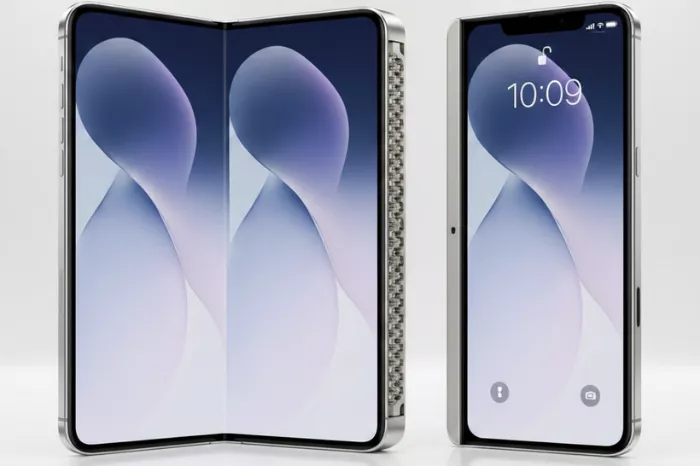
Apple is reportedly preparing its first foldable iPhone, and the latest leaks suggest it could address one of the biggest criticisms of existing foldables: the screen crease. According to industry insiders, Apple may have developed a new panel structure and hinge mechanism that produces a crease-free inner display, a potential first in the foldable smartphone market.
The iPhone Fold is expected to adopt a “book-style” design, featuring both an outer cover display and a larger inner screen. Rumors indicate the inner display could measure around 7.8 inches when unfolded, while the outer display might be approximately 5.5 inches. This design would allow users to enjoy a tablet-like experience when needed, while still offering a compact phone form when folded.
To achieve a crease-free display, Apple is reportedly using a combination of innovative materials and a specially engineered hinge. Liquid-metal components and advanced lamination processes could reduce or even eliminate the visible fold line, giving the iPhone Fold a more seamless and premium look compared to current foldable devices.
In terms of biometric security, Apple may forgo Face ID on the foldable model due to space constraints. Instead, a side-button fingerprint sensor, similar to Touch ID on some iPads, could be used. While this represents a compromise on Apple’s full Face ID experience, it could be necessary to maintain a slim and functional foldable design.
One of the most striking rumors surrounding the iPhone Fold is its price. Analyst estimates suggest a retail price of around $2,399, making it the most expensive iPhone ever sold. The high cost is likely due to the advanced crease-free display technology, premium hinge materials, and low initial production volumes. Even if the price shifts slightly closer to $2,000, it would still place the iPhone Fold firmly in the luxury smartphone category rather than the mainstream market.
Apple appears to be targeting a premium, niche audience with the iPhone Fold. Early adopters, tech enthusiasts, and those looking for a high-status device may be the primary buyers. For mainstream consumers, the high cost could be a barrier, but the foldable design and crease-free display may still generate significant interest.
If Apple delivers on these features, the iPhone Fold could have a major impact on the foldable smartphone market. A truly crease-free, durable design would raise the bar for competitors like Samsung, Google, and other Android foldable devices. It could also shift public perception, making foldables feel less like experimental gadgets and more like polished, high-end smartphones.
Other areas to watch include iOS software adaptations for the foldable format. Multitasking and split-screen functionality will likely be key selling points, making the most of the larger inner display. How Apple integrates apps and system features into a foldable form factor could define the user experience and set it apart from current foldables.
In conclusion, the iPhone Fold represents Apple’s ambitious entry into the foldable market. With a crease-free inner screen, premium materials, and a high-end price tag of $2,399, it’s positioned as a luxury device for early adopters. While some compromises, like the absence of Face ID, may be necessary, the potential to redefine the foldable smartphone experience is significant. If Apple succeeds, the iPhone Fold could not only compete with but also surpass existing foldables in design, functionality, and prestige.
Also Read: Is Apple Developing AI Glasses?
